
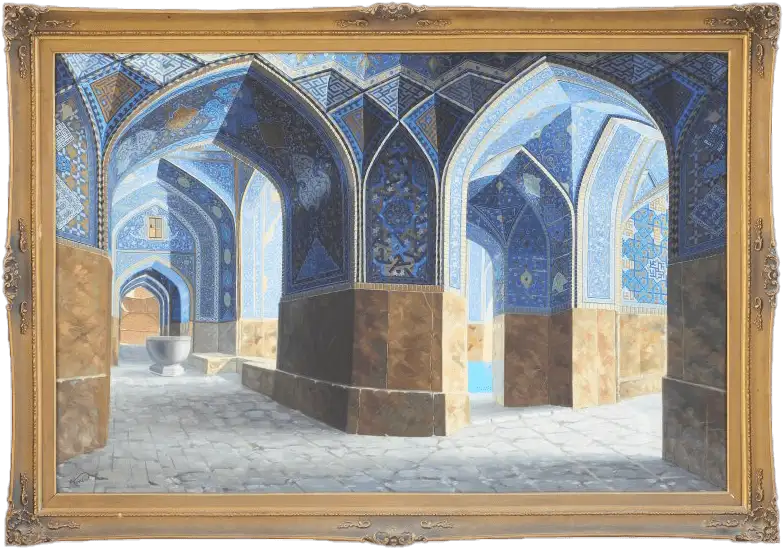
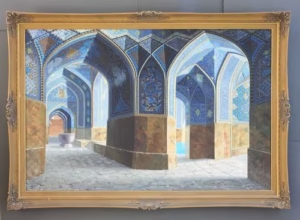
This stunning work, titled “Imam Mosque,” is an outstanding example of three-dimensional painting, created in the oil on canvas medium in 1961 by Tajmir Riyahi. In this piece, the artist skillfully depicts depth and dimension in traditional Iranian architecture, creating a realistic space through the use of vibrant colors and the harmony of light and shadow. The tilework patterns, the play of light among the arches, and the striking balance of the architectural structure all reflect the grandeur of the Imam Mosque, which is masterfully rendered in this artwork. This painting is not only a tribute to the art of Iranian architecture but is also considered a masterful display of skill in creating dimension and realistic space in three-dimensional art.
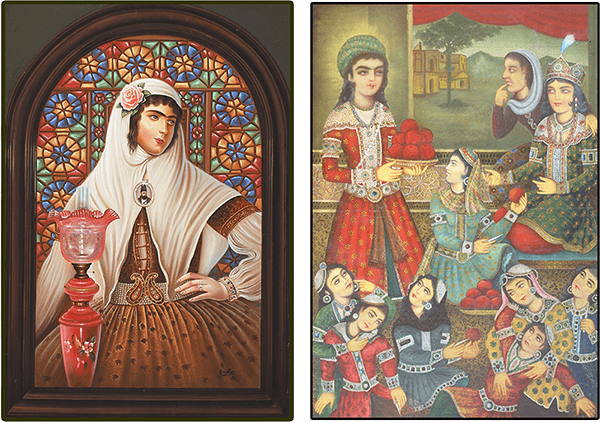
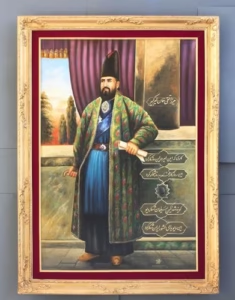
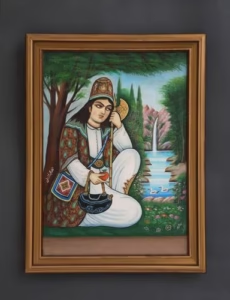
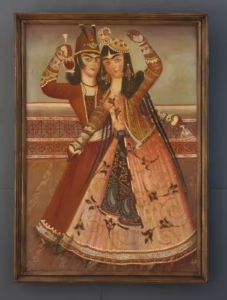
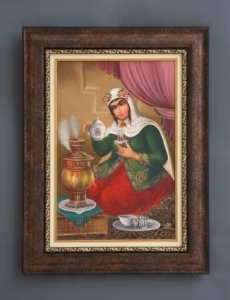
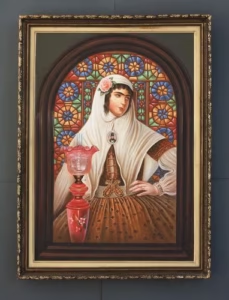
Paintings from the Qajar era are a unique manifestation of Iran’s visual arts that flourished from the late Zand period to the early Pahlavi era. These works are a reflection of the life, attire, rituals, and culture of Iranians during the Qajar period and narrate the social transformations and lifestyle of that time. The Amirkabir Cultural Foundation’s collection of Qajar paintings includes a valuable assortment of these works, depicting scenes of daily life, courtiers, women in traditional dress, and delicate portraiture. Beyond their artistic aspects, these works serve as a visual document of the cultural and social identity of the Qajar era and provide an opportunity to understand the aesthetics and style of painting from that period.
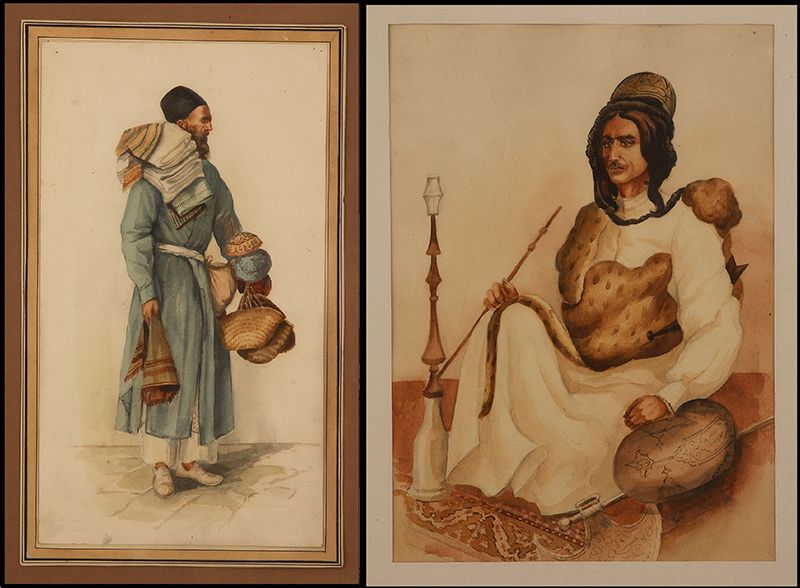
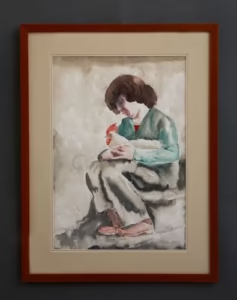
The two works, “The Peddler” and “The Dervish,” are masterpieces by Master Behzad that depict the life and attire of the people with unparalleled skill and precision. “The Peddler,” created with watercolor, expertly captures realism in the face and clothing of a traveling vendor. The fine details and soft texture of the colors keep the sense of dynamism and movement alive in this piece. “The Dervish,” with its warm colors and interplay of light and shadow, presents a contemplative image of a dervish. Master Behzad’s command of facial portrayal, emotional expression, and naturalistic composition makes these two works brilliant examples of Iranian visual art.
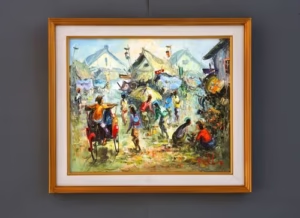
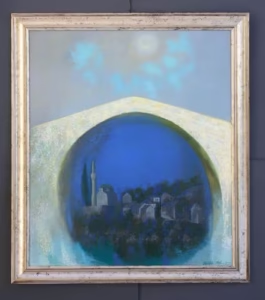
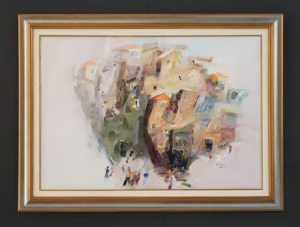
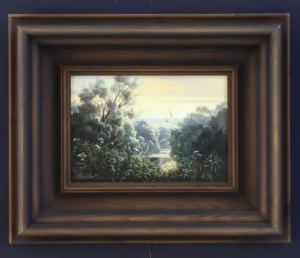
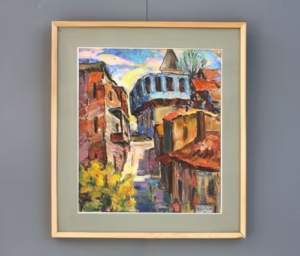
The Amirkabir Cultural Foundation holds a valuable collection of foreign paintings, including outstanding works by artists from Asia, Europe, and other parts of the world. Created in a variety of styles and methods, these artworks reflect the global scope of art and the cultural ties between nations. The paintings in this treasury have been created using various techniques, including oil, ink wash, watercolor, and mixed media, and they display a diversity of artistic styles. These works, some created with a realistic approach and others in abstract and modernist forms, provide an opportunity to see the world from the perspectives of different artists.