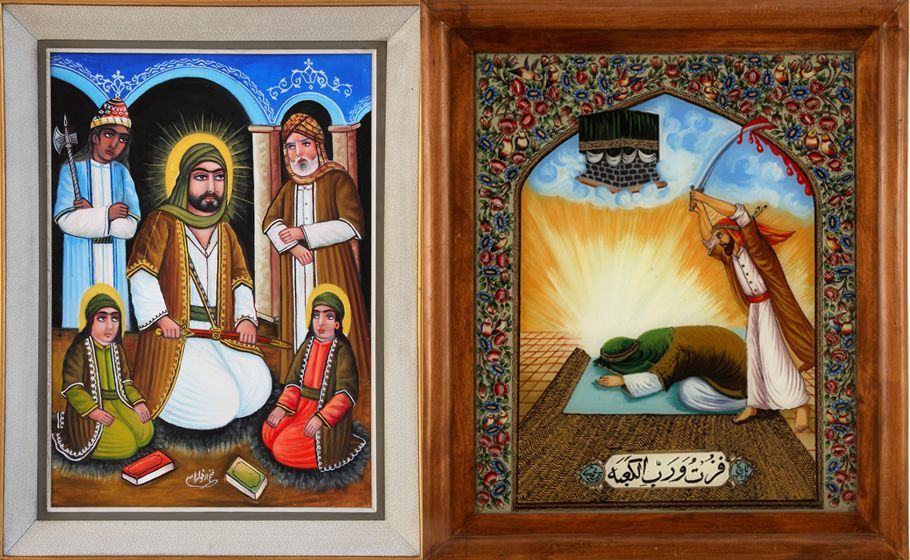
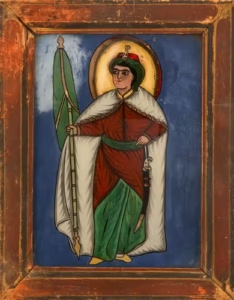
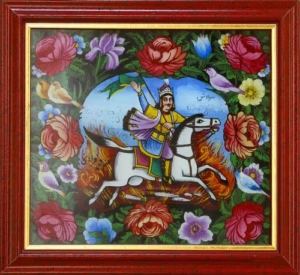
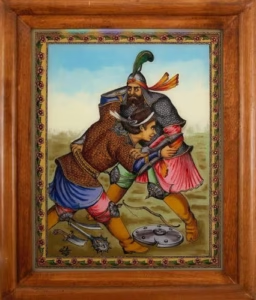
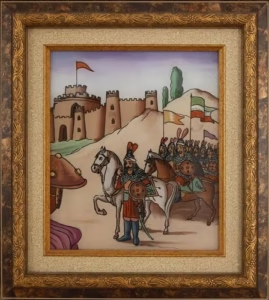
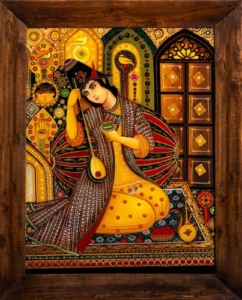
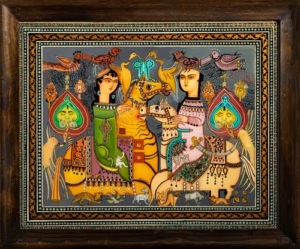
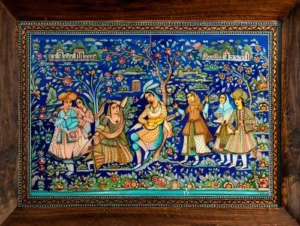
There are notable examples of religious reverse glass painting that, with their vibrant colors and striking compositions, depict scenes from religious beliefs and narratives. Reverse glass painting, which flourished during the Qajar period, was inspired by ancient Iranian traditions and folk art and managed to find a special place among religious artworks. The pioneer of this art in the religious field was Abdoljalil Shisheh-Negar Dezfuli, and after him, Mirza Mehdi Shirazi and Shahzadeh Afsar were among the most prominent artists who continued this style. These works, in addition to their artistic value, are a reflection of the beliefs, rituals, and cultural identity of the Iranian people in past eras.

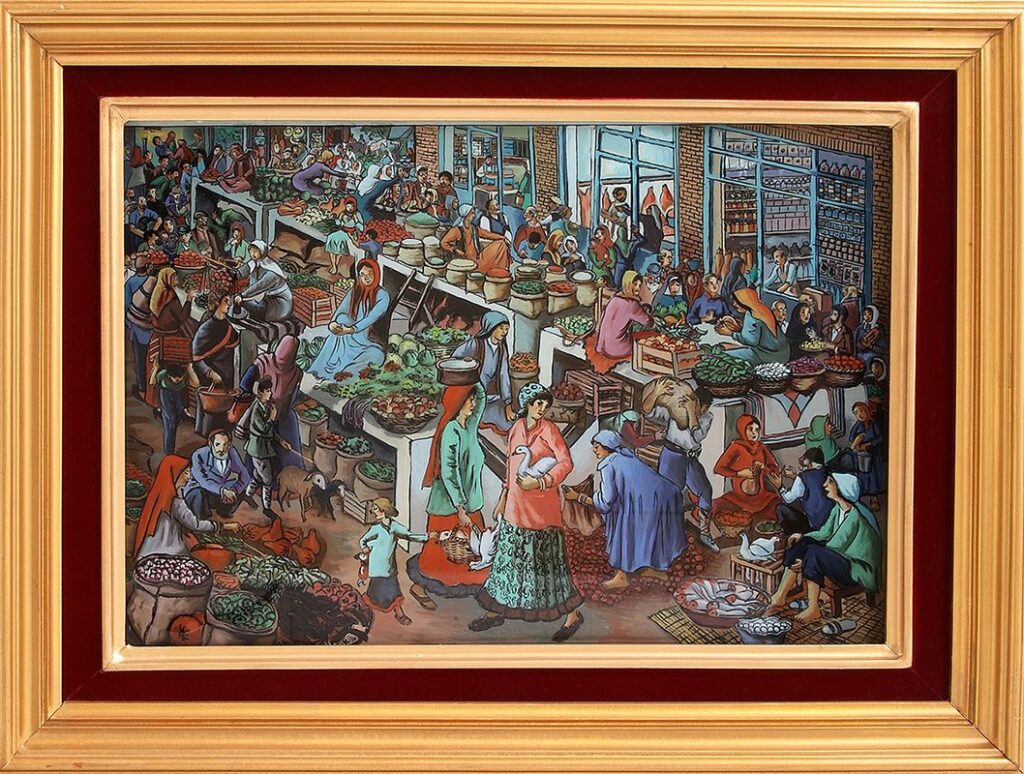
The panel “Rasht Bazaar” by Master Reza Hamidi displays a dynamic and lively image of the city’s traditional market. This work, created in the reverse glass painting style, recreates the daily hustle and bustle of the market in a realistic and narrative-driven manner through a combination of warm and vibrant colors. The presence of vendors, shoppers, local products, and the traditional architecture of the bazaar encapsulates a reflection of the traditions, lifestyle, and authenticity of Iranian bazaars.
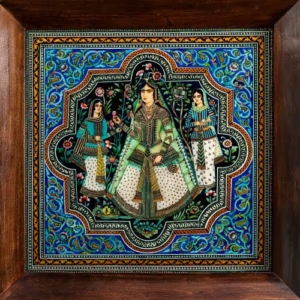
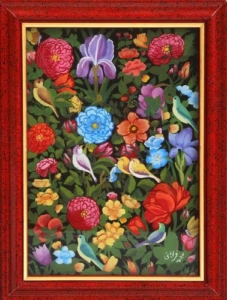
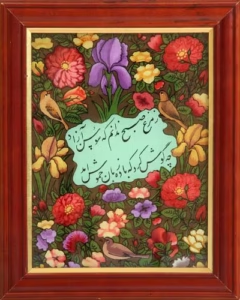
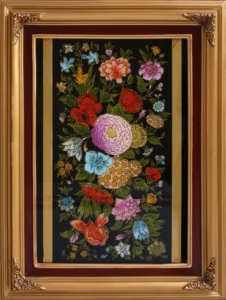
Sadeq Shirazi was one of the first artists to establish this style in Iran, initially executing “Gol-o-Morgh” (flower and bird) motifs using this method. Gradually, other artists also turned to this technique, painting religious icons, portraits of princes, Qajar ladies, and natural landscapes on glass. Religious reverse glass paintings held a special place among the people and were particularly popular during mourning ceremonies. These works, often seen in the hands of dervishes for reciting elegies in the streets and markets, were popular among various social classes due to their lower cost and distinctive visual appeal.